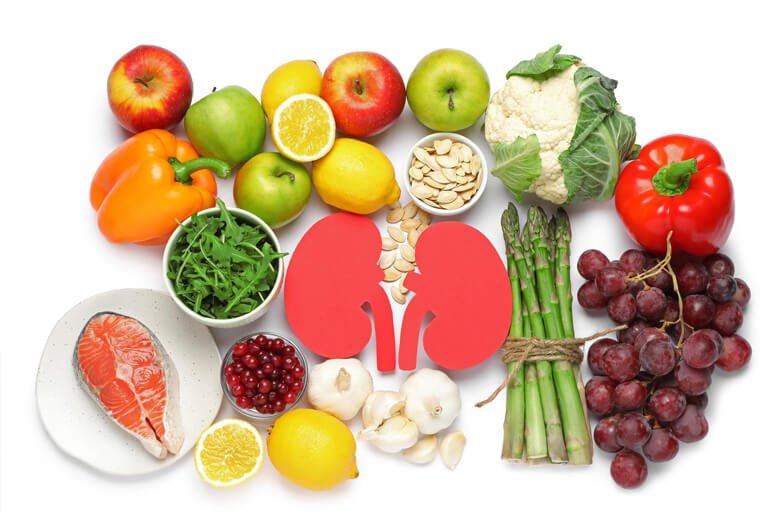
Maintaining a kidney-friendly diet is one of the most important steps for protecting your kidney health. When the kidneys are not working at their best, certain foods and minerals can build up in the body and increase the workload on the kidneys. A well-planned renal diet helps control these nutrients, supports overall health, and prevents further damage. If you are looking for a kidney-friendly diet consultation in Sarjapur, getting guidance from an expert kidney specialist is essential.
Dr. Mitesh Makwana provides personalised renal diet plans based on your kidney condition, medical history, lifestyle, and test reports. His approach ensures that every patient receives practical, easy-to-follow food advice that fits into their daily routine.
A kidney-friendly diet is designed to protect the kidneys by managing the intake of sodium, potassium, phosphorus, protein, and fluids. When the kidneys are weak, they cannot filter these elements properly. This can lead to fluid retention, swelling, high blood pressure, and further kidney damage.
A good renal diet helps you:
If you need support in creating a safe and effective eating plan, you can consult a renal diet plan specialist near Sarjapur who understands your specific kidney condition and health needs.
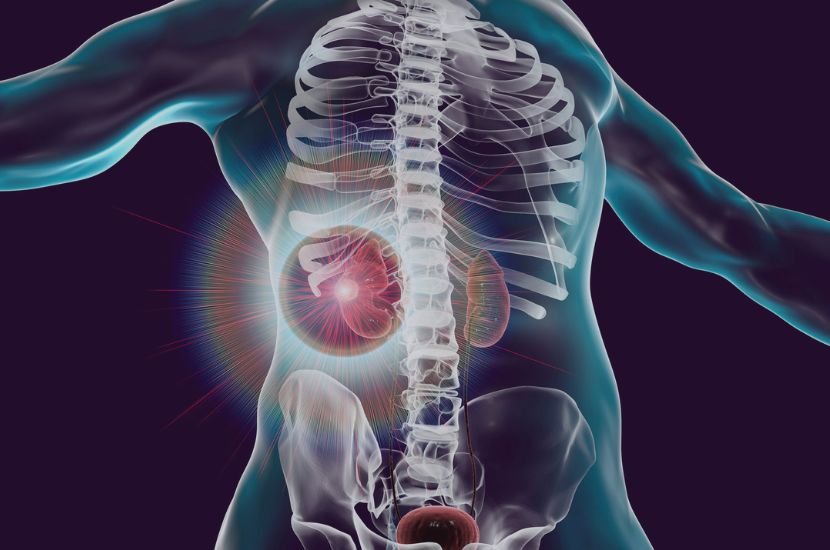

If you’re searching for the best diet advice for kidney patients in Sarjapur, it is important to follow a structured plan rather than general online tips. Here is what a kidney-friendly nutrition approach usually includes:
Too much salt increases blood pressure and damages the kidneys. Use minimal salt in cooking and avoid outside food as much as possible.
Kidney patients should neither take too much nor too little protein. Your doctor will guide you on safe portions of dal, paneer, dairy, and non-veg foods based on your stage of kidney disease.
High potassium levels can affect the heart. Your diet plan may include low-potassium fruits and vegetables. Soaking and boiling vegetables reduces potassium further.
Phosphorus affects bone and heart health. Avoid packaged bakery items, processed cheese, and cola drinks.
Some patients need to reduce fluids, especially if swelling or low urine output is present.
Dr. Mitesh Makwana helps patients follow these guidelines in a simple, practical way, ensuring that every recommendation fits their lifestyle and health goals.
You should seek professional diet consultation if you have:
Working with a kidney specialist in Sarjapur, Bangalore, ensures that your diet is safe, effective, and medically appropriate. Kidney disease is not the same for everyone, and self-dieting can sometimes cause more harm. A customised plan is the safest choice.
If you want expert guidance on maintaining a kidney-friendly lifestyle, you can schedule a consultation with Dr. Mitesh Makwana for a personalised, easy-to-follow renal diet plan designed to support your long-term kidney health.

Damaged kidneys cannot remove waste and extra minerals effectively. A kidney-friendly diet helps prevent buildup of harmful substances, reduces complications, and slows the progression of kidney disease.
Not everyone needs to limit fluid intake. Water restriction depends on urine output, swelling, and kidney function. Always follow your doctor’s guidance regarding fluids.
Yes, but in controlled amounts. Kidney disease patients may need moderate to low protein to reduce kidney strain. High-protein foods should be taken only under medical guidance.
Dairy foods contain phosphorus and potassium, which may need to be limited. Low-phosphorus alternatives or reduced servings may be recommended based on your lab results.
Survey no, 45/2, Manipal Hospital, Sarjapur – Marathahalli Rd, opposite Iblur,
Amblipura, PWD Quarters, Ambalipura, Bellandur, Bengaluru, Karnataka 560102