
Acute Kidney Injury (AKI) is a sudden loss of kidney function that can develop within hours or days. When the kidneys slow down or stop filtering waste, toxins build up in the body and can lead to serious health problems. Early evaluation is extremely important in such cases.
Dr. Mitesh Makwana, a trusted Acute Kidney Injury Doctor in Bangalore, provides specialised and patient-focused care for AKI, helping individuals in and around Sarjapur receive timely diagnosis and treatment. This page gives a clear overview of AKI, including its symptoms, causes, diagnosis, and treatment options.
Acute kidney injury, also known as acute renal failure, happens when the kidneys suddenly lose their ability to work. This can occur due to:
AKI can affect anyone, but it is more common in people with long-term health issues, infections, or those taking certain medicines.
As a trusted kidney specialist in Sarjapur, Bangalore, Dr. Mitesh Makwana identifies the exact cause to ensure proper treatment.
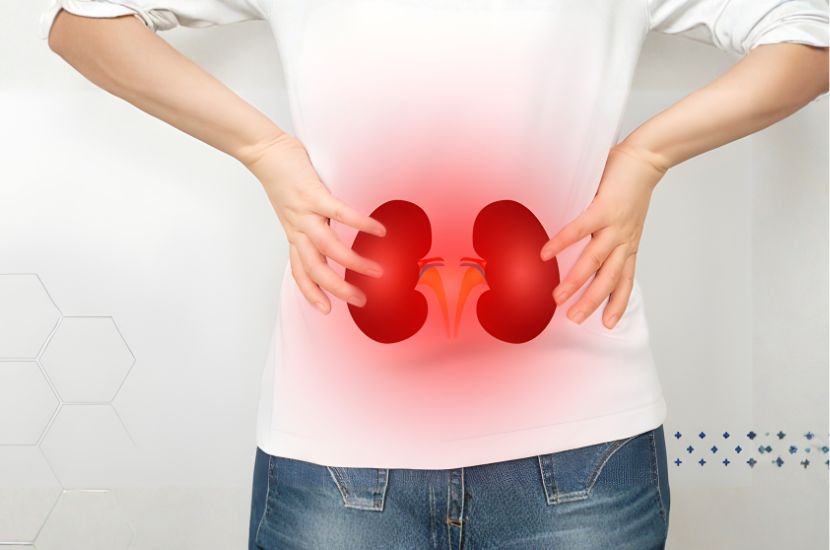
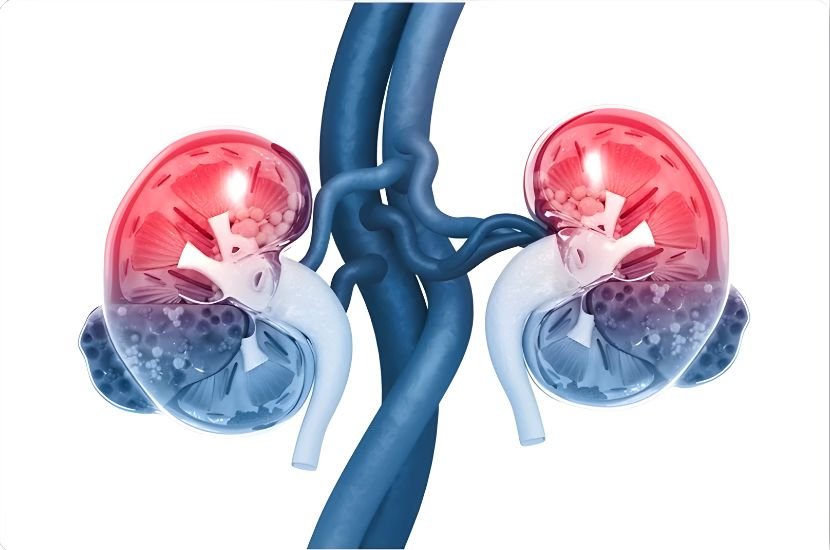
AKI symptoms may appear quickly or gradually. Sometimes, people mistake these symptoms for other health issues. Look out for:
These symptoms should not be ignored, especially if you have diabetes, high blood pressure, or kidney problems. Consulting an acute renal failure doctor near Sarjapur helps detect the condition early.
AKI treatment depends on what caused the kidney damage. The main goal is to restore kidney function and prevent complications.
Patients under the care of Dr. Mitesh Makwana receive personalised Acute kidney injury treatment in Sarjapur, helping them recover safely.
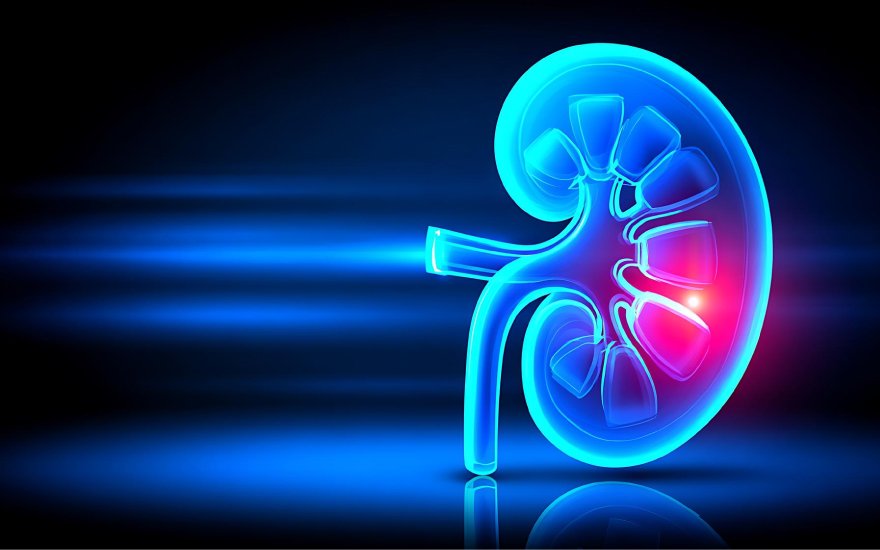

You can reduce your risk of AKI by following simple habits:
Prevention plays a big role in protecting kidney health. A kidney specialist in Sarjapur, Bangalore, can guide you better if you are at higher risk.
If you are looking for a trusted kidney specialist in Sarjapur, Bangalore, Dr. Mitesh Makwana is an experienced kidney specialist who provides safe, effective, and gentle care for all AKI cases. His focus is on early diagnosis, personalised treatment, and long-term kidney protection.
No. Dialysis is only needed when kidney function drops severely and waste or fluid builds up. Many patients recover fully with early and appropriate treatment.
Recovery varies. Mild cases may improve within a few days, while severe cases may take weeks to months. Follow-up tests help monitor kidney function over time.
If treated early, AKI is often reversible. However, untreated or severe cases can lead to chronic kidney disease (CKD) or long-term kidney damage.
No. AKI is sudden and often reversible, while chronic kidney disease is long-term, progressive damage. However, severe or repeated AKI can lead to CKD.
Survey no, 45/2, Manipal Hospital, Sarjapur – Marathahalli Rd, opposite Iblur,
Amblipura, PWD Quarters, Ambalipura, Bellandur, Bengaluru, Karnataka 560102